
 Mon to Sat: 7am - 6pm
 Gold Coast, Australia
 5.0
5.0  Reviews
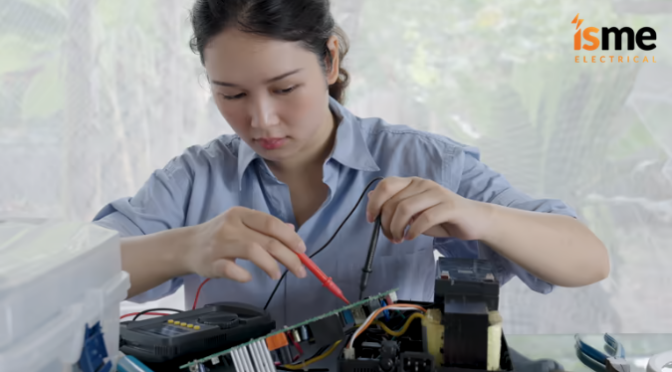
Experiencing an electric shock at your Gold Coast, Pimpama or Biggera Waters home or office is never something to ignore. Even a minor shock can indicate a serious underlying electrical fault that may place people and property at risk. While some shocks may seem harmless at first, they can point to damaged wiring, faulty appliances, overloaded circuits, or unsafe electrical installations.
Calling emergency electricians immediately after an electrical shock is one of the safest decisions you can make. Prompt professional attention helps prevent further injuries, electrical fires, and ongoing hazards within the property.
- Why Electrical Shocks Happen
Electrical shocks occur when a person comes into contact with an electrical current. This can happen through faulty appliances, exposed wiring, damaged power points, wet conditions, or electrical system failures.
In many cases, the visible issue is only part of the problem. A shock may be caused by hidden electrical faults inside walls, switchboards, or circuits that require professional diagnosis.
Even small shocks should never be dismissed because they often signal unsafe electrical conditions that could worsen over time.
- A Minor Shock Can Still Be Dangerous
Many people assume that a mild electric shock is not serious if there are no visible injuries. However, electrical currents can affect the body internally, including muscles, nerves, and heart rhythm.
In some situations, symptoms may appear later rather than immediately after the incident. More importantly, the electrical issue that caused the shock remains active and may continue posing risks to others in the property.
This is where emergency electricians in Gold Coast and the surrounding suburbs come in. They are trained to identify the source of the problem quickly and make the area safe before more severe incidents occur.
- Faulty Wiring Is a Common Cause
Older properties and poorly maintained electrical systems are particularly vulnerable to wiring problems. Damaged insulation, loose connections, ageing switchboards, or DIY electrical work can all increase the risk of electric shocks.
Over time, wiring deterioration may also lead to:
- Power outages
- Flickering lights
- Tripping safety switches
- Burning smells
- Sparking outlets
These warning signs often accompany electrical faults that require urgent attention from licensed electricians.
- Water and Electricity Are a Dangerous Combination
Electrical shocks frequently occur in kitchens, bathrooms, laundries, and outdoor areas where water exposure is common. Faulty appliances or damaged power points in wet areas can create extremely dangerous situations.
Emergency electricians in Pimpama and other suburbs understand how to assess moisture-related electrical hazards safely. Attempting to inspect or repair electrical systems yourself after a shock can increase the risk of serious injury.
Professional electricians use specialised testing equipment to locate faults without exposing occupants to additional danger.
- Electrical Shocks Can Lead to Fires
One of the biggest risks associated with electrical faults is fire. Damaged wiring, overloaded circuits, or sparking connections can overheat and ignite surrounding materials inside walls or ceilings.
An electric shock may be an early warning sign that the electrical system is already compromised. Acting quickly can help prevent a much larger emergency later.
Emergency electricians can isolate hazardous circuits, repair faults, and ensure the electrical system meets Australian safety standards.
- Safety Switches May Not Solve Everything
Modern homes often include safety switches designed to reduce the risk of electrocution. While these devices provide important protection, they do not eliminate all electrical hazards.
A safety switch that trips repeatedly may indicate a deeper issue within the wiring or appliances connected to the circuit. Ignoring repeated tripping or resetting the switch without investigation can be dangerous.
Emergency electricians in Biggera Waters can perform proper fault-finding to determine the exact cause of the problem.
- Why Professional Help Matters
Electrical systems are highly complex and dangerous to handle without training. Attempting DIY electrical repairs after a shock can place homeowners at even greater risk.
Licensed emergency electricians have the skills, equipment, and legal qualifications to:
- Diagnose electrical faults safely
- Repair damaged wiring and outlets
- Test circuits and appliances
- Restore power safely
- Ensure compliance with Australian regulations
Their fast response also helps minimise disruption and protects both occupants and property.
- Prevention Is Always Better Than Repair
After an electrical shock incident, preventative maintenance becomes especially important. Routine electrical inspections can identify ageing wiring, overloaded circuits, faulty appliances, and other hidden hazards before serious problems develop.
Regular testing and upgrades improve electrical safety while helping homeowners avoid unexpected emergencies in the future.
Conclusion
Getting an electric shock should never be ignored, regardless of how minor it may seem. It often signals hidden electrical dangers that require immediate professional attention.
Calling emergency electricians quickly helps protect people, property, and electrical systems from further harm. Prompt action can prevent injuries, reduce fire risks, and ensure your home or workplace remains safe.
Hire Our Emergency Electricians Today
At Isme Electrical Gold Coast Pty Ltd, we provide emergency electrical services. To hire them or receive an estimate, call 0466 404 404. You can also click the Get a Quote button at the top and fill out the form to receive a quote online.
Frequently Asked Questions About Emergency Electrician
- Can an electrical shock cause delayed health complications?
Yes. Some electrical injuries may not show immediate symptoms. Muscle pain, nerve damage, irregular heartbeat, or internal injuries can appear hours after the incident.
- Why do electrical shocks sometimes happen without tripping the safety switch?
Safety switches reduce risk but may not detect every type of fault, especially if the current leakage is too small or the issue involves faulty grounding or damaged appliances.
- Is it safe to continue using an appliance after receiving a small shock from it?
No. Even a mild shock may indicate internal wiring faults or insulation damage. The appliance should be disconnected and inspected by a qualified electrician.
- Can old switchboards increase the risk of electrical shocks?
Yes. Outdated switchboards may struggle to handle modern electrical demands and often lack advanced safety protection found in newer systems.
- Are electrical shocks more common during wet weather?
Moisture increases electrical conductivity, making shocks more likely in damp conditions or areas exposed to rain, leaks, or humidity.
- How can overloaded power boards contribute to electric shock risks?
Overloaded boards can overheat, damage wiring, and create unstable electrical flow, increasing the chance of exposed faults or appliance failures.
- Should electrical wiring be inspected after flooding or water leaks?
Absolutely. Water exposure can damage insulation, corrode wiring, and create hidden electrical hazards even if the system appears functional.
- Can pets or children be more vulnerable to electrical hazards at home?
Yes. Children and pets may accidentally touch exposed cords, damaged outlets, or faulty appliances, making early electrical fault detection extremely important.
- Why do some power outlets feel warm before an electrical problem occurs?
Warm outlets can indicate loose connections, overloaded circuits, or faulty internal wiring, all of which may increase the risk of shocks or fires.
- How often should homes undergo professional electrical safety inspections?
Many electricians recommend inspections every few years, particularly for older homes, renovated properties, or buildings with frequent electrical issues.
