
 Mon to Sat: 7am - 6pm
 Gold Coast, Australia
 5.0
5.0  Reviews

Electrical faults rarely happen at a convenient time. Whether it is a sudden power outage, burning smell, sparking power point, or repeatedly tripping circuit breaker, these issues require immediate attention. That is why professional emergency electricians play a vital role in restoring safety and power quickly. If you are in Nerang, understanding how emergency electricians diagnose and repair electrical faults can help you appreciate the importance of calling a qualified expert rather than attempting DIY repairs.
Responding Quickly to Prevent Further Risks
Emergency electricians in Nerang know that every minute counts when dealing with electrical faults. Upon arrival, they first assess the situation to identify any immediate safety hazards. This includes checking for exposed wiring, overheating electrical components, smoke, or signs of electrical fire.
Before beginning any diagnostic work, they isolate the affected circuit where necessary to minimise the risk of electric shock and prevent further damage to your electrical system.
Performing a Thorough Inspection
Finding the source of an electrical problem requires more than simply replacing a faulty switch or resetting a breaker. Experienced electricians carry out a systematic inspection of the electrical installation.
They examine:
- Switchboards and circuit breakers
- Safety switches (RCDs)
- Power outlets and switches
- Light fittings
- Electrical appliances connected to the affected circuit
- Wiring for visible signs of wear or damage
This detailed inspection helps narrow down the possible cause of the fault before any repairs begin.
Using Advanced Electrical Testing Equipment
Modern emergency electricians rely on specialised testing tools to diagnose faults accurately. These instruments allow them to detect issues that cannot be identified through visual inspection alone.
Common testing equipment includes:
- Multimeters to measure voltage and current
- Insulation resistance testers
- Circuit tracers
- Thermal imaging cameras to locate overheating components
- Earth continuity testers
Using professional diagnostic equipment enables electricians to pinpoint faults efficiently without unnecessary disruption to your property.
Identifying the Root Cause
Electrical faults can occur for many different reasons. Rather than simply fixing the symptom, emergency electricians focus on identifying the underlying cause to prevent the problem from returning.
Some common causes include:
- Damaged or ageing wiring
- Overloaded electrical circuits
- Faulty appliances
- Water ingress into electrical systems
- Loose electrical connections
- Damaged circuit breakers or safety switches
- Rodent damage to cables
By addressing the root issue, electricians provide a more reliable and long-lasting solution.
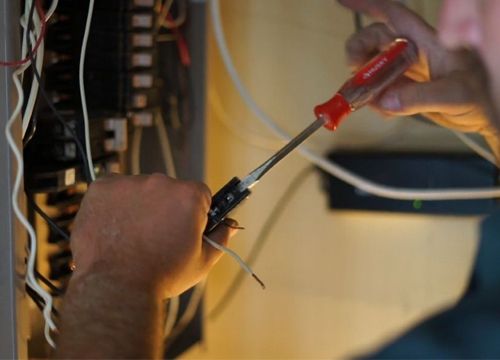
Carrying Out Safe and Effective Repairs
Once the fault has been identified, the electrician completes the necessary repairs using Australian electrical standards as their guide. Depending on the issue, this may involve replacing damaged wiring, repairing power points, installing new circuit breakers, replacing faulty safety switches, or repairing switchboards.
All repairs are carefully tested before power is restored to ensure the electrical system is operating safely and correctly.
Testing the Entire Electrical System
Repairing one fault is only part of the process. Professional emergency electricians also perform post-repair testing to confirm that the rest of the electrical installation remains safe.
This includes verifying circuit performance, checking safety devices, confirming proper earthing, and ensuring no additional faults exist elsewhere in the system. Comprehensive testing provides peace of mind for homeowners and business owners throughout Nerang.
Providing Advice to Prevent Future Emergencies
An experienced emergency electrician will often recommend preventative measures after completing the repair. These may include upgrading an outdated switchboard, replacing ageing wiring, avoiding overloaded power boards, or scheduling routine electrical inspections.
Preventative maintenance helps reduce the likelihood of unexpected electrical failures while improving the overall safety of your property.
Finalising
Electrical emergencies should never be ignored or handled without professional expertise. Emergency electricians use a structured approach that combines safety procedures, advanced diagnostic equipment, thorough inspections, and compliant repairs to quickly identify and resolve electrical faults. For property owners in Nerang, calling a qualified emergency electrician ensures your electrical system is restored safely, efficiently, and with minimal disruption.
Need a Trusted Emergency Electrician in Nerang?
Electrical faults can happen without warning. Contact Isme Electrical Gold Coast Pty Ltd, your trusted electrical service provider offering experienced emergency electricians for fast fault detection, safe repairs, and reliable electrical solutions. Call 0466 404 404 now.
